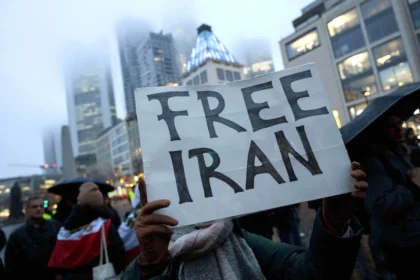

Tehran, Iran – Iranians regained access to the international internet on Sunday after a nearly two-week ban imposed by authorities following widespread protests that erupted on December 28 in several Iranian cities.
Local sources reported that internet services were gradually being restored, with users able to access the global search engine Google and the WhatsApp application via mobile networks, particularly through Irancell and other government-affiliated telecom operators. This came after a period of strict restrictions that affected most international platforms and services.
Earlier, Mohammad Seraj, a member of the Iranian parliament’s Social Affairs Committee, confirmed that the return of the international internet was imminent, predicting it would occur within two days at most. Speaking to the Entekhab website, Seraj stated that the government was moving towards fully restoring internet access, allowing citizens to use the international network as they did before the restrictions were imposed.
The Iranian MP explained that the restoration of service is being carried out gradually and includes various digital platforms and applications, most notably WhatsApp and Google. He also indicated that the decision encompasses both fixed and mobile internet. He added that the restrictions imposed during the past period were temporary and related to security and technical considerations, emphasizing that the final timeframe for lifting the ban did not exceed two days.
This development comes after a near-total shutdown of the international internet that lasted for approximately two weeks, as part of measures taken by the authorities to limit the flow of information and external communication during the recent wave of protests. The internet blackout at that time drew widespread criticism from human rights organizations and activists. They considered the move a means of restricting freedom of expression and preventing the circulation of images and videos related to the protests.
Observers believe that the return of the internet represents an attempt to contain public anger and calm the situation, given the continued internal and international pressure on Tehran. They also emphasize that the process of lifting digital restrictions will remain linked to developments in the security and political landscape of the country.