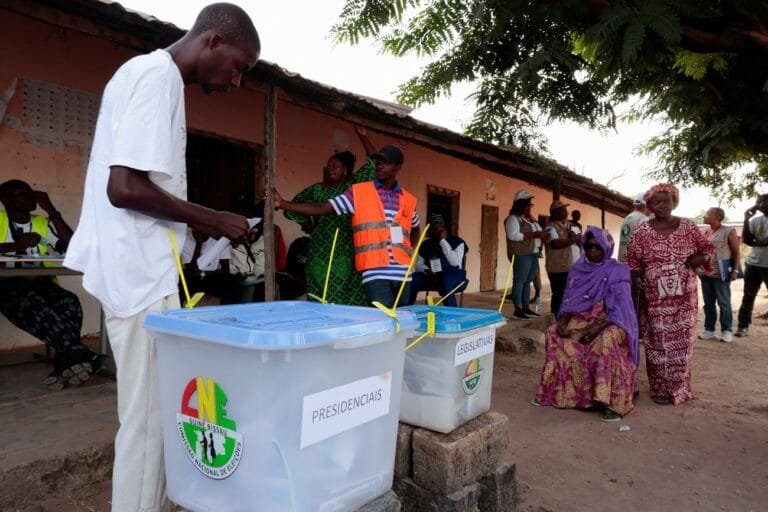
Conakry, Guinea – Polling stations opened in Guinea-Conakry on Sunday morning, welcoming some 6.7 million voters in a pivotal presidential election. The election is widely seen as paving the way for the current coup leader, Mamadi Doumbouya, to transition from military rule to a seven-year civilian term.
A “predetermined” election scenario and an absent opposition
Despite the presence of eight other candidates in the presidential race, the field lacks a strong challenger to Doumbouya. This is due to the continued exile of key political figures such as ousted President Alpha Condé and opposition leader Cellou Dalein Diallo.
Some voters in the capital, Conakry, described the vote as a “formula,” emphasizing their preference for stability. One voter told Reuters, “I’m a realist, and I voted for the current leader to ensure the continuity of the state and a return to normalcy.”
Bauxite reserves and the giant “Simando” project
These elections come at a time when Guinea – home to the world’s largest bauxite reserves – is undergoing major economic transformations. The most prominent of these is the Simandou project. Doumbouya has successfully revived the world’s largest iron ore mining project after years of stagnation.
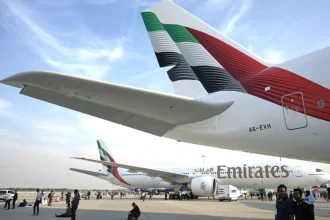
Resource nationalism: Doumbouya boosted his popularity by adopting strict policies toward foreign companies. These included revoking the license of an Emirates Global Aluminium subsidiary and transferring its assets to the state. This approach is similar to that taken by neighboring countries such as Mali and Niger.
Constitution and legitimacy debate
Doumbouya faces criticism from opposition figures who accuse him of breaking his previous promises. The transitional charter had barred members of the military junta from running for office, but a new constitution was adopted last September, lifting this ban and extending the presidential term to seven years.
Benedict Manzin, senior analyst at Siebelin Consulting, commented: “Dombuja is likely to use his election to consolidate the military’s control over key state institutions. He will also prepare his allies to benefit from the economic boom linked to iron and bauxite production.”