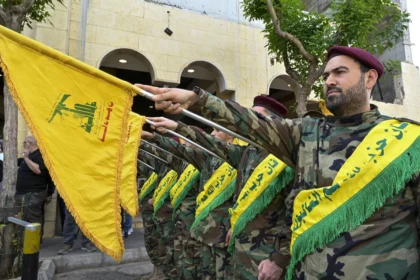
Baghdad, Iraq – The Committee for Freezing Terrorist Funds in Iraq announced a decision to freeze the movable and immovable assets of the Yemeni Houthi militia and the Lebanese Hezbollah, within a broad list that includes dozens of entities and individuals linked to international terrorist organizations, in a move described by experts as the broadest and most sensitive since the establishment of the committee.
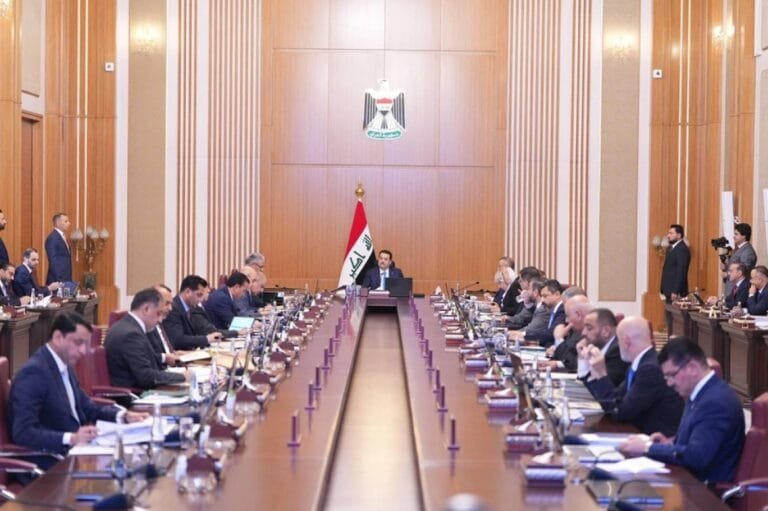
The decision was based on the Anti-Money Laundering and Counter-Terrorism Financing Law No. 39 of 2015 and the Terrorists’ Funds Freezing System No. 5 of 2016, and based on what was presented by the Anti-Money Laundering and Counter-Terrorism Financing Office, where the committee decided during its meeting on October 22, 2025 to freeze all funds and economic resources of the names listed in the attached lists, and to prevent any financial or banking dealings with them directly or indirectly.
The inclusion of the Houthis and Hezbollah in this resolution is an unprecedented step in Iraqi politics, as Baghdad previously avoided designating influential regional entities for fear of political and regional repercussions. Analysts suggest the decision reflects Iraq’s attempt to tighten its financial compliance system and counter international pressure related to money laundering and sanctions.
The decision sparked widespread controversy within Iraq, with some politicians considering the move to be politically biased, while others saw it as an important measure to strengthen the international commitment to combating the financing of terrorism.
The decision is expected to have repercussions on Iraq’s regional relations and on the policies of armed factions close to Iran, especially with the continued tensions in Yemen and the existence of joint activities between the Houthis and Iraqi factions at the logistical and financial levels.