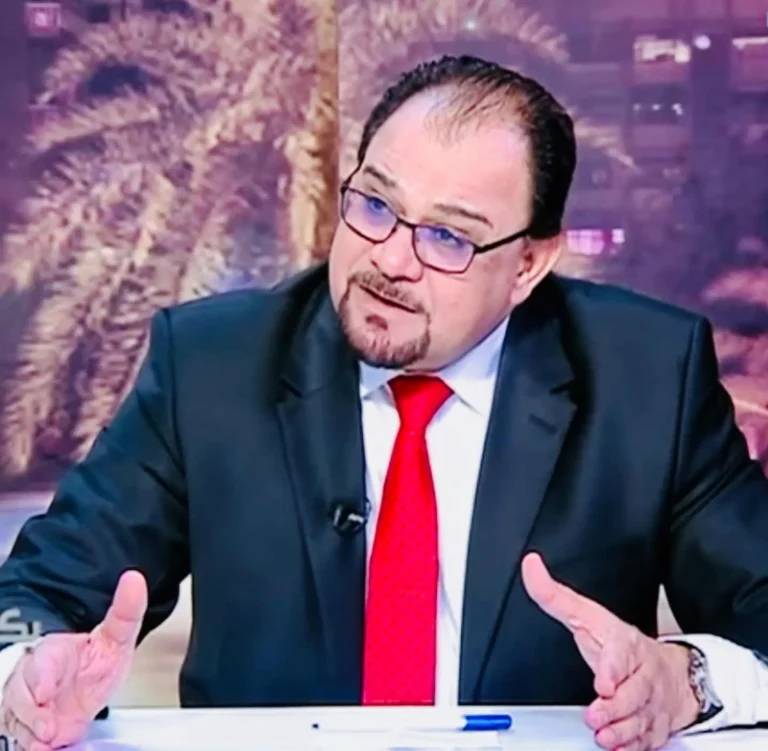
Abu Dhabi, UAE – Iraqi writer and political analyst Samir Obeid stated that what he described as “Muslim Brotherhood organizations” have begun what he considers “the second phase of a campaign targeting the UAE.” He accused regional actors of being behind what he sees as a “systematic media escalation” against Abu Dhabi.
Obaid explained in a post on his Facebook page that groups affiliated with the Muslim Brotherhood in the Middle East—as he put it—had suffered a “painful blow.” This came after they were designated as terrorist organizations by the US administration under President Donald Trump, particularly in Lebanon, Jordan, and Egypt.
He argued that the timing of these decisions coincided with a “Qatari-Turkish scheme within Iraq.” He claimed that its aim was to pave the way for these groups to expand into the Gulf states and Jordan, and then “encircle Egypt” from the direction of Sudan.
According to Obeid, the Emirati move thwarted what he described as the “first phase” of an attempt to tarnish the UAE’s image. He said this phase involved accusing the UAE of involvement in the events in El Fasher, Sudan. These accusations, he claimed, were promoted by media outlets close to the Muslim Brotherhood. He believes this campaign aimed to “remove the UAE from Sudan and from the Gaza issue” to pave the way for Türkiye and Qatar.
Obaid added that what he considers the “second phase” of the campaign emerged through “accusing the UAE of involvement in a spy cell inside Turkey.” He believes the aim is “to convince public opinion that the UAE is working in Israel’s interest,” which he categorically denies. He pointed out that Abu Dhabi, in his view, “maintains its political independence.”
Obaid accused media outlets and online activists—whom he claimed were backed by countries supporting the Muslim Brotherhood—of exaggerating the “spy cell” issue. He also accused them of ignoring what he called a “bigger issue” concerning the Iranian Revolutionary Guard’s announcement of seizing an arms shipment on the border with Türkiye.
Obaid concluded by saying that what he described as a “plot” targets Gulf states, primarily Kuwait and the UAE, and also includes Jordan. He asserted that confronting this threat “requires a decisive role from one Arab state,” which he did not name.