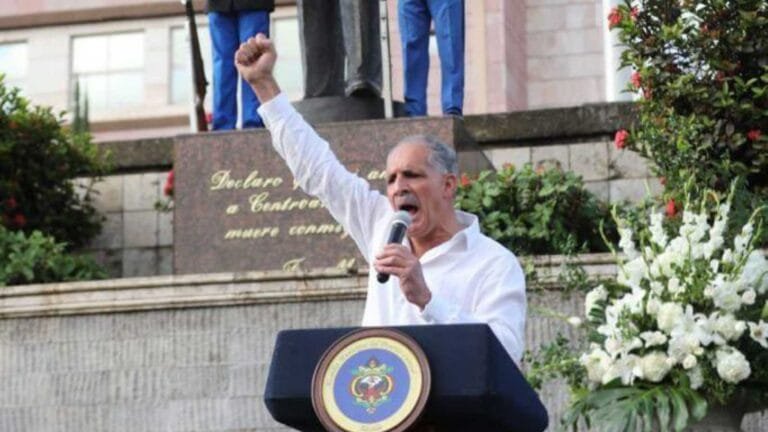
Tegucigalpa, Honduras – In a heated presidential election in Honduras, Nasri “Tito” Asfurah, openly backed by U.S. President Donald Trump, secured a controversial victory. This marks a clear sign of the growing influence of right-wing forces and the declining influence of centrist and left-wing forces in the country. Asfurah garnered 40.27% of the vote, compared to 39.53% for his opponent, Salvador Nasralla, a margin of just 28,000 votes, making it one of the most closely contested elections in decades.
- Who is Nasri “Tito” Asfoura?
- Professional and political background
- Elections: A fierce battle between the right and the left
- American support: Strengthening the influence of the right wing
- Regional impact: The rise of the right and the return of conservative politics
- The political balance in Central America.
Who is Nasri “Tito” Asfoura?
Nasri Juan Asfurah Zablaj, better known as “Tito,” is a prominent Honduran politician and businessman belonging to the Nationalist Party. He comes from a Palestinian Christian family that settled in Central America in the mid-20th century. He has cultivated a personality that combines economic power with political acumen.
Professional and political background
Mayor of Tegucigalpa for two consecutive terms, during which he launched massive urban development and infrastructure projects.
Deputy in the National Congress representing the province of Francisco Morazán, he participated in drafting economic and social legislation.
Known for his focus on economic development, infrastructure, and promoting local and foreign investment.
Elections: A fierce battle between the right and the left
The vote count took more than three weeks, amid intense anticipation from the public and the international community.
The narrow margin of only 0.74% between the candidates reflects the delicate political balance in Honduras. The right wing, led by Asfurah, managed to expand its influence at the expense of centrist and leftist forces.
His opponent, Salvador Nasralla, tried to challenge the results, but was unable to overturn the outcome. This reflects the decline in the strength of moderate and leftist movements.
American support: Strengthening the influence of the right wing
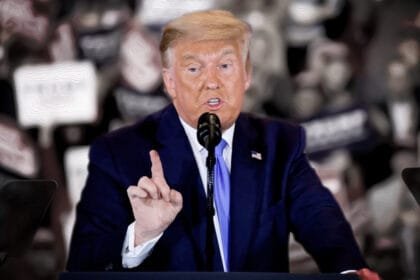
Asfoura received direct support from Donald Trump, who exerted political pressure to ensure his victory. This support bolstered the image of the conservative right as a rising force in Central America.
This external support was instrumental in strengthening the confidence of the right’s base. It also contributed to expanding his political networks at the local and regional levels.
Asfoura’s future priorities include:
Promoting foreign investment and facilitating a business environment to stimulate economic growth.
Strengthening internal security and addressing the challenges of illegal immigration.
Establishing strong relations with the United States and Western countries. This may include reopening channels of communication with Taiwan to serve the country’s economic and strategic interests.
Regional impact: The rise of the right and the return of conservative politics
Nasri “Tito” Asfour’s victory is not just a local event, but signals a broader shift in the region toward the political right. There are potential repercussions for:
The political balance in Central America.
Economic and social policies in neighboring countries.
Relations with major international powers, especially the United States.
Nasri “Tito” Asfora represents the rise of the right wing in Honduras. He won by a narrow but decisive margin, opening the door to a new phase of political and economic transformation and confirming the decline of centrist and leftist movements in the country.