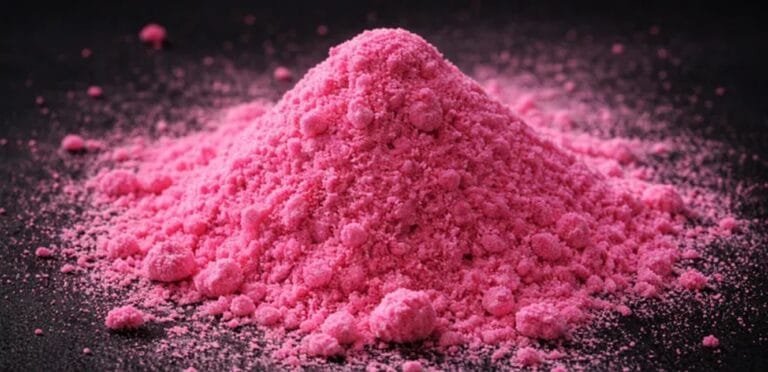
Washington, DC – In recent weeks, US authorities have observed an unprecedented surge in the possession and sale of pink cocaine. This is a dyed version of the traditional drug, featuring attractive colors. The aim is to appeal to young people and teenagers. While its pink color may appear harmless, experts emphasize that it carries the same serious health risks as regular cocaine. It also has a higher potential for addiction and more severe cardiovascular and neurological effects.
US authorities have warned that pink cocaine is becoming a growing phenomenon in major cities such as New York, Los Angeles, and Miami. It is distributed through sophisticated trafficking networks, some of which target schools and youth parties. Reports indicate that coloring the drug in bright colors is a marketing tactic to conceal the danger and attract a younger demographic. This is causing widespread concern among parents and health officials.
Analysts confirm that the rapid spread of pink cocaine reflects the success of smuggling networks in exploiting social media to promote the drug. These marketing campaigns rely on colorful images and videos that portray it as something “stylish and safe,” while the reality is disastrous. Medical emergencies resulting from overdoses have also risen significantly.
Authorities have begun intensifying awareness campaigns, warning young people against falling prey to this colorful drug. They are focusing on cooperation between the police and the local community to monitor any suspicious activity, especially in areas near schools and parties.
As pink cocaine continues to spread, the biggest question remains: How can American society confront this new phenomenon before it turns into a widespread health and social crisis?