
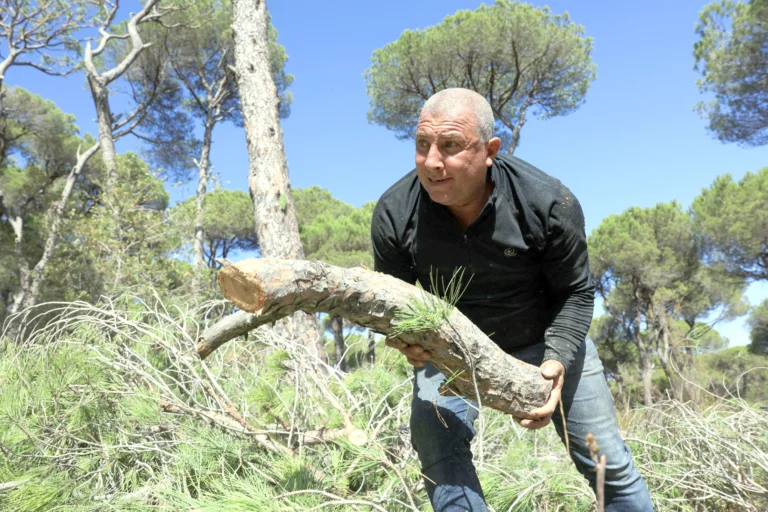
Beirut, Lebanon – Farmers in the Lebanese town of Bekaa, which boasts the largest pine forest in the Middle East,
are facing a worsening crisis following the spread of
a devastating invasive insect that attacks pine cones.
This threatens the livelihood of hundreds of families
who have depended on this vital sector for decades.
Pine production declined
According to a report published by Reuters, the invasive insect –
believed to have entered the country through regional trade –
This has caused a significant decline in pine production over the past two years.
This has had a direct impact on farmers who rely on selling pine nuts
as one of the most prominent agricultural products in Lebanon.
Huge losses
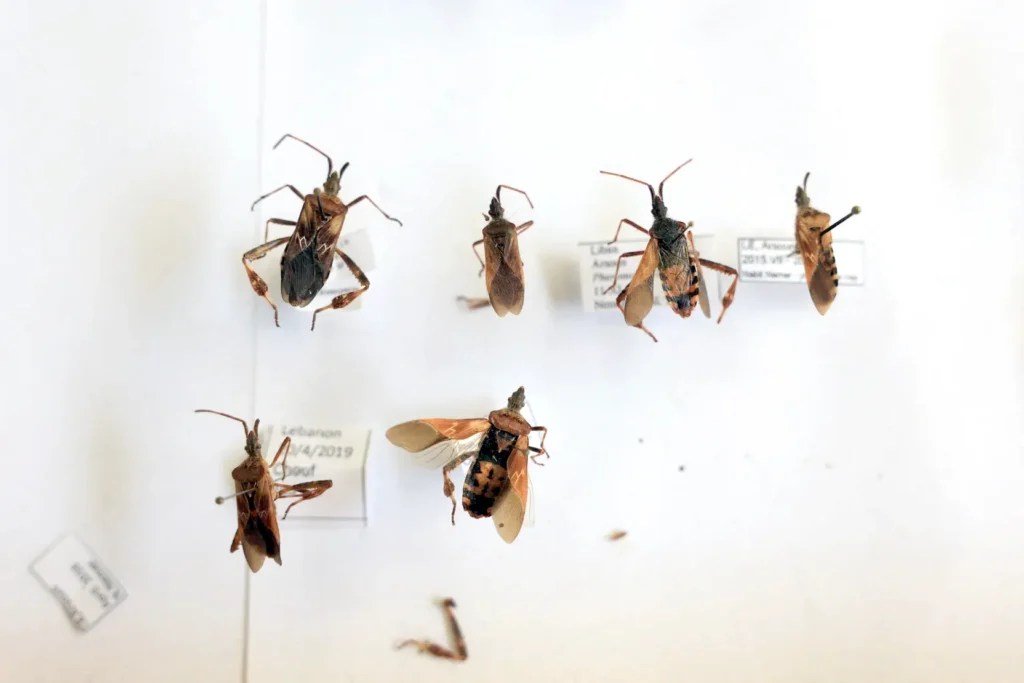
The farmers explained that this small pest attacks the seeds
of the cones and prevents them from ripening.
This leads to significant losses in production, at a time
when the country is already suffering from a severe economic crisis.
It affected agriculture and all sectors of the Lebanese countryside.
Urgent international cooperation
The report added that government efforts to combat the insect remain limited due to a lack of funding.
Meanwhile, environmental experts called for urgent international
cooperation to study ways to eradicate this scourge.
Before it spread to other areas in Lebanon or to the neighboring
pine forests in Syria and Palestine.
The Bekassine forest in southern Lebanon is a natural
and heritage symbol, as it covers vast areas.
It constitutes a major source of local income and ecotourism.
However, the continued spread of this insect threatens
significant environmental and economic losses.
This has prompted farmers to demand urgent rescue and support plans.