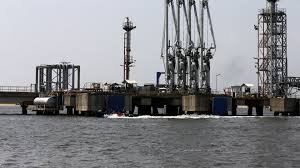
Caracas, Venezuela – Venezuela has entered a new phase in the global energy sector after signing its first-ever contract to export liquefied natural gas (LNG). This move represents a strategic shift aimed at diversifying the country’s sources of income. It also reduces its traditional reliance on crude oil exports.
The agreement was announced during a speech by Interim President Delcy Rodríguez before the National Council for Productive Economy. Rodríguez described the event as “historic” and confirmed that the first shipment of Venezuelan LNG would be exported in the near future.
“Today, for the first time in our history, a contract for the marketing of liquefied natural gas has been signed,” Rodríguez said. “We are committed to implementing this achievement in a practical and sustainable way that serves the interests of the country.”
She explained that this development was the result of intensive efforts by the state-owned oil and gas company, PDVSA. Additionally, she noted the company’s success in increasing its oil production capacity to approximately 1.2 million barrels per day. This is the highest level Venezuela has reached since 2015.
Directing returns towards developmen
Regarding the management of anticipated revenues from gas exports, Rodríguez affirmed that the government has adopted a fundamental shift in its fiscal policies, based on several key pillars. A major one of these is the decision not to use hydrocarbon revenues in foreign currency for fuel imports. This is now feasible as domestic production is self-sufficient.
She also emphasized that these new resources will be directed towards supporting social and economic development programs. Furthermore, plans were announced to establish sovereign wealth funds aimed at strengthening financial stability. They also seek to ensure the long-term sustainability of the national economy.
The Venezuelan government confirmed that its current economic program focuses on “strategic import substitution.” It also prioritizes real productive sectors, steering clear of speculation and the volatility of financial markets.
This approach includes supporting the agriculture, fishing, and food processing sectors. Moreover, it encompasses revitalizing the tourism sector. All of this falls within a comprehensive vision aimed at rebuilding the economy and enhancing its capacity for sustainable growth.