Washington, DC – Wall Street analysts predict that airlines may be among the unexpected beneficiaries of the growing popularity of new weight-loss pills in the United States. This is due to their potential impact on reducing average passenger weight and lowering fuel consumption, which is currently the single largest cost item for airlines. According to an analysis by the US investment bank Jefferies, the widespread adoption of GLP-1 weight-loss drugs, particularly those available in pill form rather than injections, could indirectly lead to lighter aircraft and improved fuel efficiency. This, in turn, would positively impact airline profits.
Jefferies analysts noted in a client memo that the aviation industry has always been highly sensitive to weight. They pointed out that a 10 percent reduction in average passenger weight could lead to a roughly 2 percent decrease in the aircraft’s overall weight. Consequently, this translates to a reduction in fuel costs of up to 1.5 percent. Furthermore, it could increase earnings per share by up to 4 percent. This estimate coincided with the launch of the first GLP-1 pill for obesity treatment, produced by Novo Nordisk. Additionally, a similar product from Eli Lilly is expected to receive regulatory approval in the US in the coming months. Analysts believe that eliminating the need for injections will encourage a wider range of patients to use these treatments, potentially accelerating their societal impact.
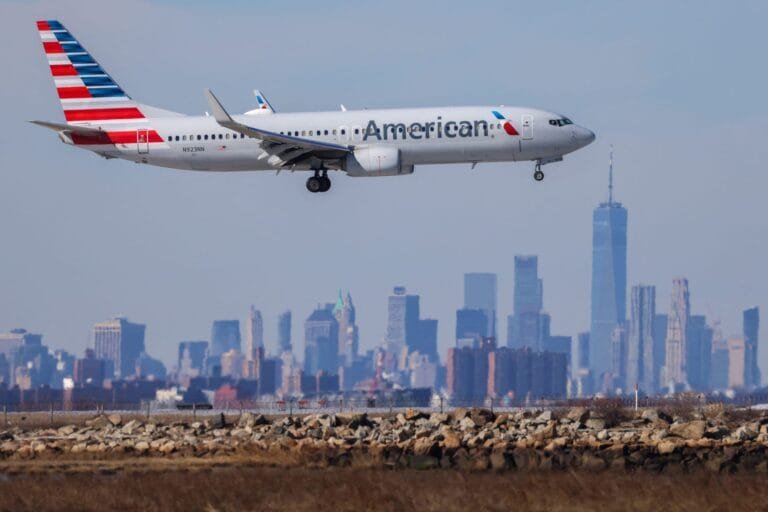
According to Jefferies, the financial repercussions could be significant for the largest US airlines, including American Airlines, Delta, United, and Southwest. These four carriers are estimated to consume approximately 16 billion gallons of fuel in 2026, at an average price of $2.41 per gallon. This translates to a fuel bill of nearly $39 billion, representing roughly 19 percent of their total operating expenses. The investment bank estimates that a 1 percent reduction in aircraft weight could improve fuel efficiency by about 0.75 percent. Therefore, a 2 percent decrease in average passenger weight could boost earnings per share by about 4 percent across the industry. However, the gains will vary considerably among the airlines. American Airlines, in particular, could see an increase of up to 11.7 percent due to its greater sensitivity to fuel costs.
The report noted that weight is a pivotal factor in aircraft design and operation, a point emphasized by major manufacturers like Boeing. Upon delivery, an aircraft has a fixed empty operating weight, with the remaining weight distributed among fuel, passengers, baggage, and cargo until the maximum takeoff weight is reached. Jeffreys cited the Boeing 737 Max 8 as an example. He explained that reducing the average passenger weight by 10 percent could decrease the aircraft’s weight by approximately 3,200 pounds. This translates to significant fuel savings across thousands of flights annually. This analysis recalls the meticulous measures airlines have previously taken to reduce weight, such as United Airlines’ 2018 decision to use lighter paper in its in-flight magazine, which saved hundreds of thousands of gallons of fuel per year. Wall Street analysts conclude that the proliferation of weight-loss drugs could add a new, unconventional factor to the airline profitability equation in the coming years.